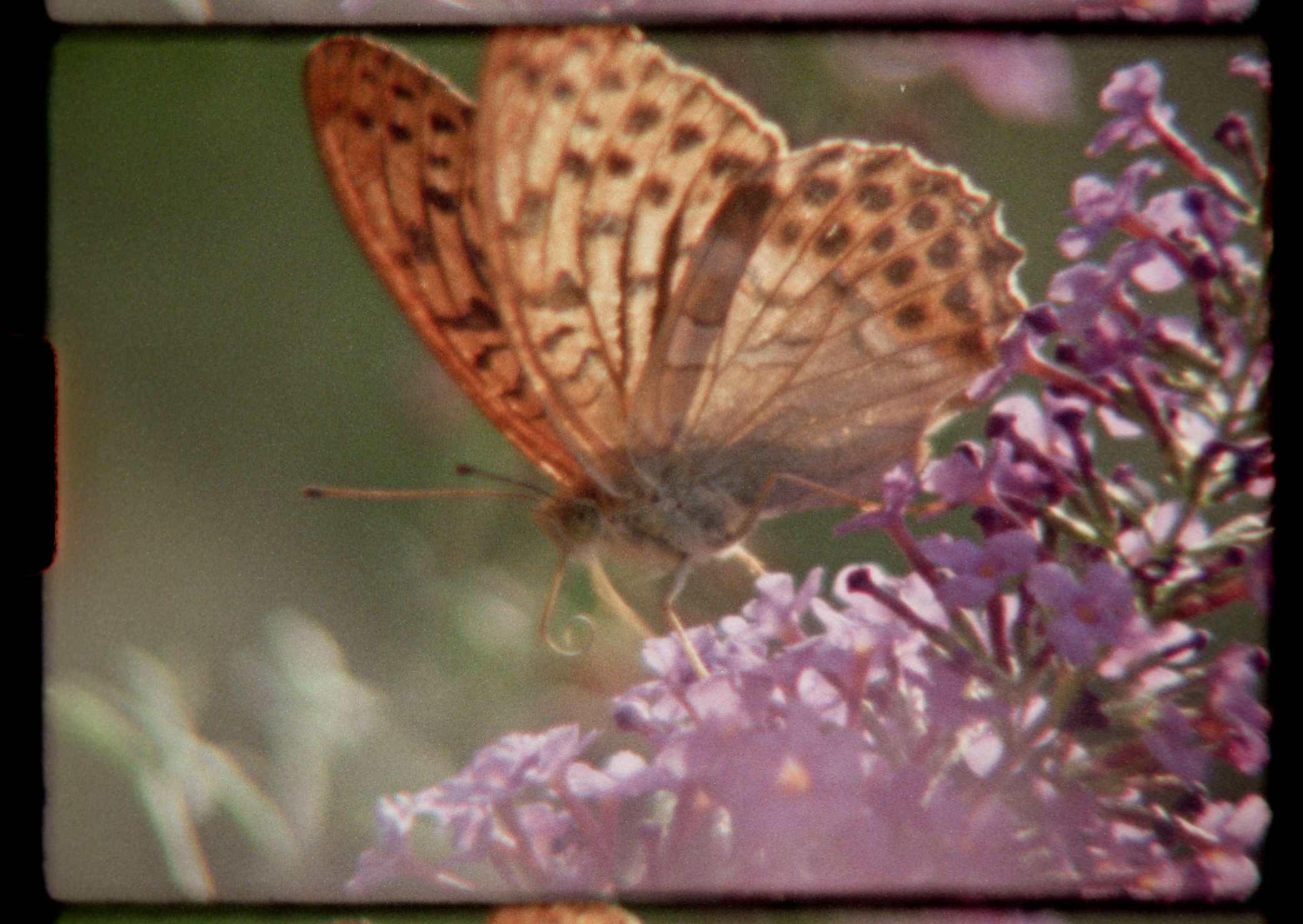
We chat with the director of Supernature, a nature documentary filmed entirely on Super 8 cameras
From high-definition cameras disguised in remote-control rocks to NASA-grade telescopic lenses that cost more than a luxury automobile, the modern nature documentary is often a lavish, expensive and unattainable beast.
Ed Sayers’ new film, Super Nature, shows there’s another way. Captured solely on Super 8 film—the analog format synonymous with hand-held home movies before the advent of video cameras in the ‘80s—the film is a patchwork quilt of short segments filmed by a network of collaborators around the world. Some filmed snails, some filmed rhinos—but from the everyday to the exotic, each section is tied together by the simple, attainable way they were documented.
With the film now out on the big screen, we called Ed up to talk about the project, his love of Super 8 and why it makes sense to film a nature documentary with 50 year old cameras…
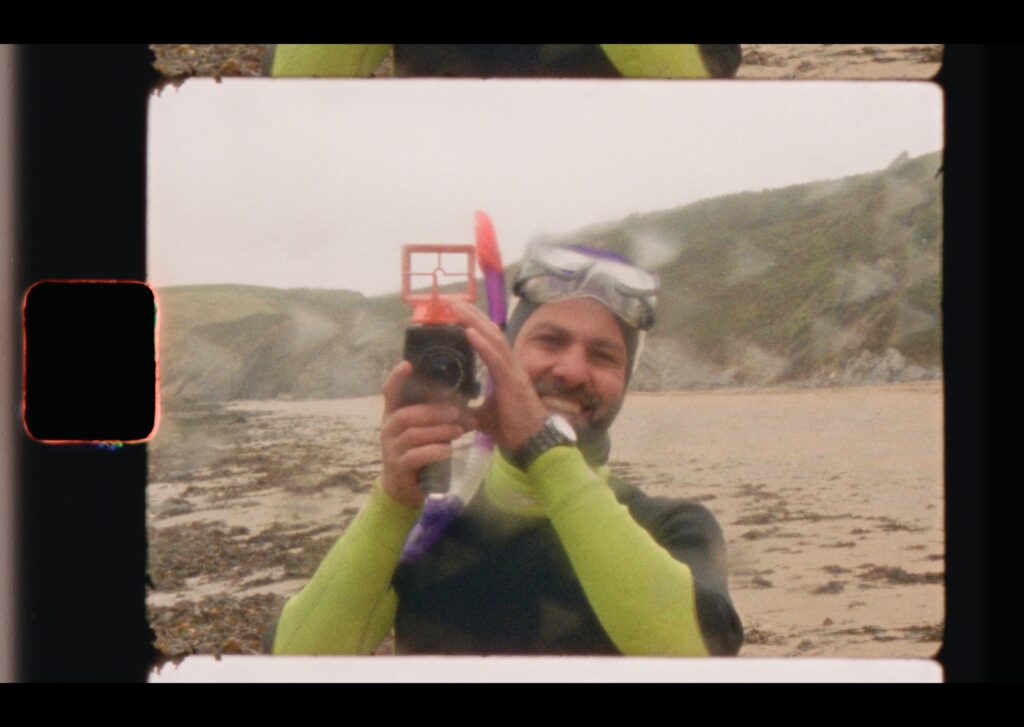
Super Nature was filmed fully on old Super 8 cameras. What made you want to use such a left-field format to make a nature film?
I like the way you put the question, because it wasn’t a case of me wanting to pervert the ways of the nature filmmaking style. It wasn’t like “I’ve had enough of crisp, HD nature films, I want to do things lo-fi.” It just came as a response to seeing nature filmed on Super 8, and realising how emotive it could be with the right music and sound-design.
It wasn’t even a brain-thought, it was a heart-thought, because I had this really strong reaction to this short film made by this French man who used to enter the Super 8 competition, Straight 8 that I set up in 1999.
All that grain and all that saturation, working together with great music and sound design made the subjects he was filming—these beautiful pink flamingos in the south of France—feel like a captured memory. And that was the trigger point for going on this journey of asking friends and colleagues around the world, and then later people I’d never met before, to join in to try and capture a snapshot of us on this planet at this time.
And I think that in the end, that’s what it is. There’s a bit in the film where I say that the reels coming in felt like time capsules. We’re so ingrained into thinking of Super 8 as a memory—it’s such a powerful thing. But it was only a hunch at first that it would work. I’ve never made a nature programme before.
It feels like it comes from a really visual angle. Like you say, there’s that beautiful shot of the flamingoes, but it’s not explaining the migratory patterns or telling us about their life cycle. I’m not saying your film is the antithesis of the classic nature documentary, but it’s not tied up in the science stuff the way a lot of them are.
Yeah—it’s more about exploring our connection with nature. If anyone’s learning anything new, it’s that reminder of how connected everything is. We often talk about nature as this third party thing which we can choose to think about, but we’re part of it, we’re interwoven with it.
When I saw that image of that flamingo, I didn’t want it to stop—and that felt like a fitting response for where we’re at with the biodiversity loss we’re facing. All of these creatures and landscapes are things of incredible beauty—they’ve inspired so many poets and artists and walkers—and I was going to say it’s important to document them, but it’s not even about it being important, it’s just so nice to be able to go to the cinema and immerse yourself in these different landscapes for 82 minutes and hear from all these different people about the things close to their heart.
And they’re the people telling you about it, rather than one person voicing over everything and taking charge.
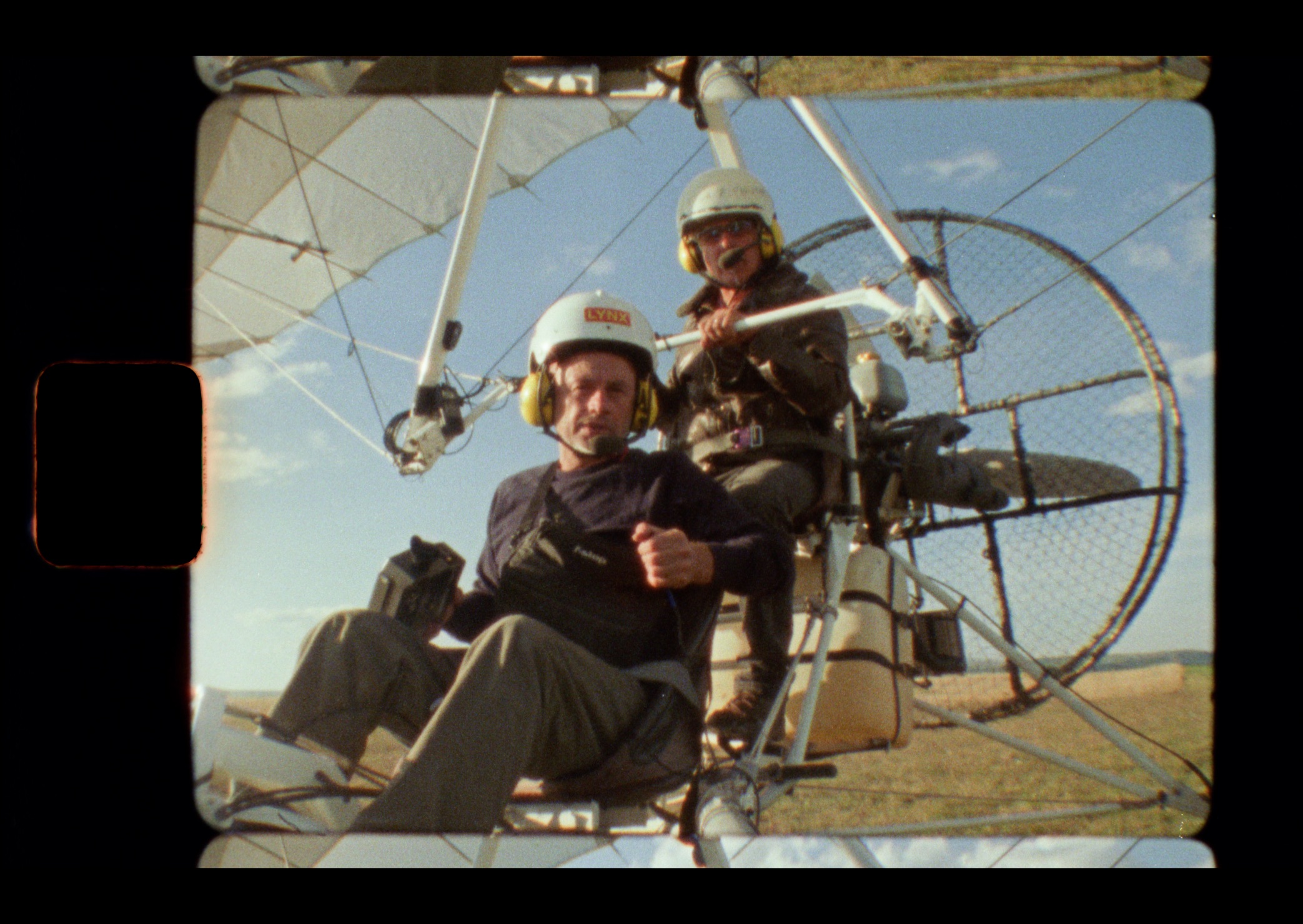
The film feels attainable too. I know Super 8 film isn’t too cheap to get processed, but you can get a camera at a car boot sale for a tenner. And not only are the cameras attainable, but some of the animals you filmed with them are too. There are some rare animals in there, but then there’s also snails on your doorstep or spiders on a footpath. Was that a conscious decision, rather than make some film about an expensive quest to spot some rare beast or something?
In one sense it wasn’t conscious—the conscious decision was doing this experiment of trying to make a full-length nature film on Super 8. But yeah, that’s what I’ve heard from audiences at festivals—people feel like it’s more intimate, and they could be any one of those people in the film. And that’s because whether they’re a nature expert or a film-maker or a photographer or a complete amateur, they’re basically just like you or me, talking about the things that are close to them.
So while in England we’ll find the sea-dragon from Tasmania very exotic, Fraser who shot it is out there with them all the time. And then there’s a moment where I’m filming a snail on my patio here in London, but with a macro lens it’s an exotic beast.
If anything, the lesson is ‘let’s focus on what’s near us’ rather than going on safari to get ‘the big five’ on your camera. There are plenty of things to feel wonder at. I don’t think anyone has exhausted their local environment and the wonder around them yet, so why not enjoy that? The wonder is right there next to you.
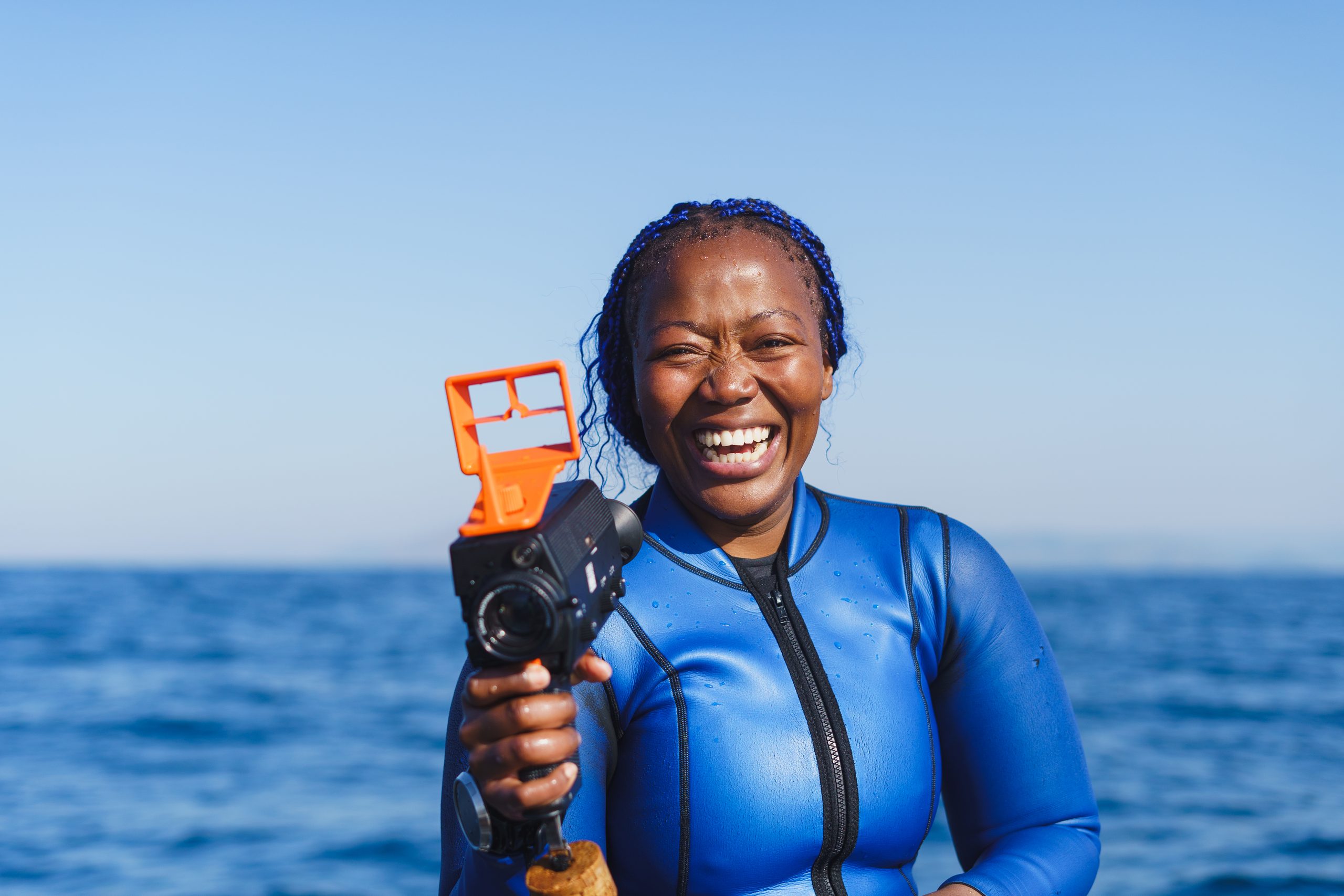
I know now with cameras and software there’s so much you can do… but Super 8 is so basic. On the camera I’ve got you can’t even zoom. Were the limitations of the medium part of the charm too?
Yeah—the technical limitations are two-fold. One, there’s not many settings on these cameras. You’re not scrolling through menus like you are with digital. But you might have a camera that does macro. Or you might have one that does slo-mo. Or you might have one with a very long-lens. Or a flashy one with all of those. But even if you don’t, you lean into what you have got. Like when I shot the snail, it was on the simplest camera with a screw-on macro lens—it had the shallowest depth of field which gives the subject in focus this incredible cinematic size. On the cinema screen it becomes this huge thing with eyes on the end of those stalks.
And the other limitation is the film stock. Because a roll will only last maybe two or two-and-a-half minutes—so given that you’re hoping that maybe a bird will take off from a branch, you really have to study what’s going on. And suddenly you’re learning about the bird—maybe it does a certain thing just before take-off or something—so it brings you closer to the subject because you can’t afford to keep wasting the film.
You’re very frugal with the filming, and that makes you a quick learner about your subject and your environment. You’re not looking at a screen—you’re looking through this vintage glass that is maybe 50 years old at your subject, and even that is quite magical—it’s showing you the world in a way you haven’t seen it before.
And one last thing—when nature programmes stopped being filmed on 16mm in the early ‘80s, they started using tape, and then digital tape, and then digital cards and now they have these cameras that are constantly running, and constantly dumping data. So the cameraperson will think, “Oh, that was great, I’ll save that moment that happened in the recent past.” But we’re waiting for the moment with our Super 8 cameras, ready to squeeze the trigger if we think it will be a good moment, while they’re waiting the same way, but they’ve just got to remember to save it and keep the footage.
I didn’t know that’s how the new cameras worked.
Yeah, these cameras work like security cameras. They’re filming everything all the time, and the operator only actually saves the footage if something actually happened.
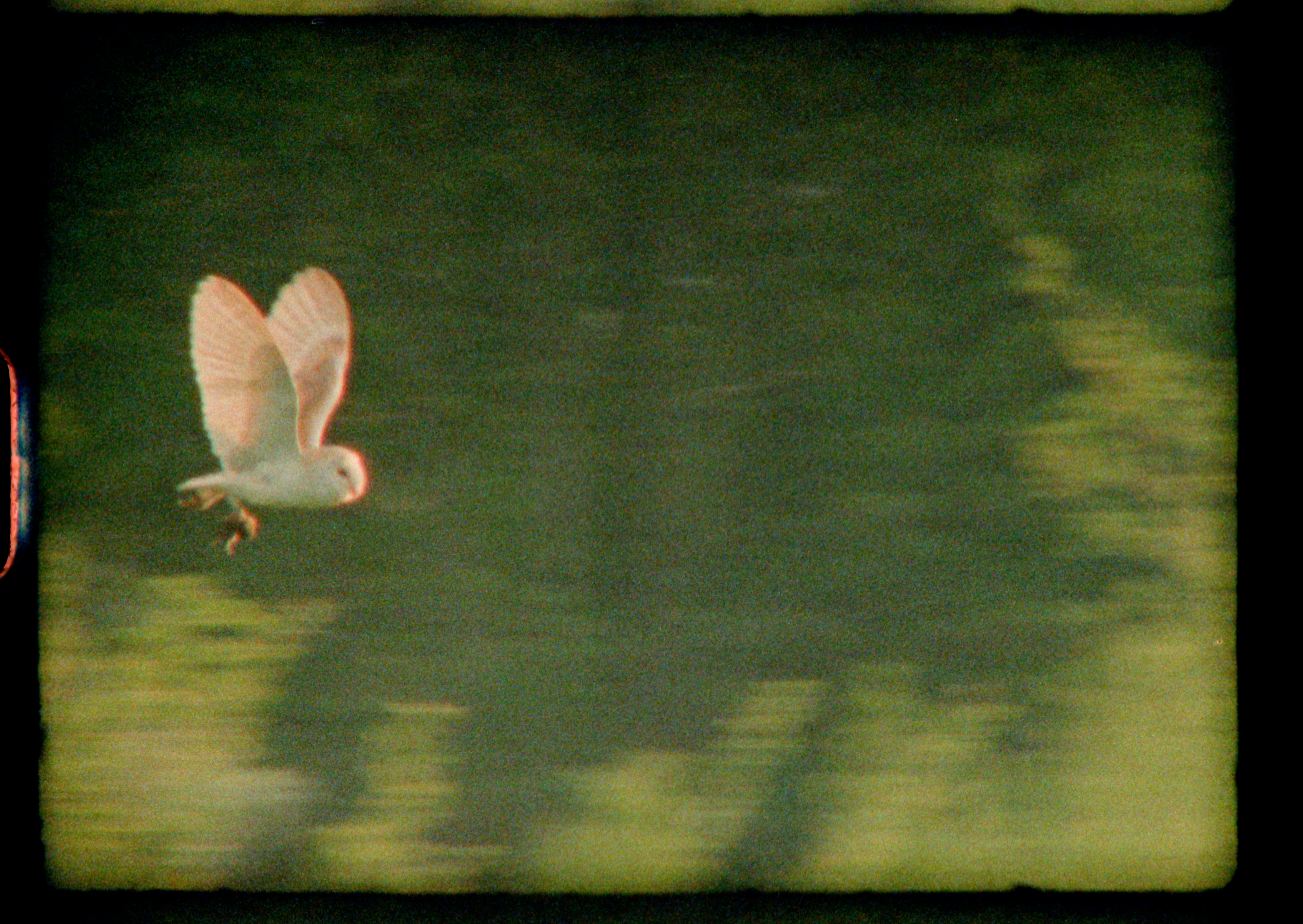
And I suppose another thing with Super 8 is that you don’t know what you’ve filmed until you get it processed and scanned. You can’t really be a perfectionist—you’ve kind of got to let go.
Exactly—you’ve got to let go and enjoy the experience. You can’t treat it like a film shoot. You’ve got to lean into the experience and enjoy it. That unknown factor of whether what you’re filming is going to come out properly can really stress the hell out of you, or you can just learn to relax a bit and enjoy the moment… which I think is quite a good metaphor for life as well.
And maybe it fits with nature too—the natural world isn’t super strict and rigid and scheduled, and neither is this lo-fi film with scratches over it.
100%. Nature is alive, and as a format, Super 8 feels quite alive too. The film weaves because it’s not very steady as it runs through the camera, and because of the grain structure, it’ll be different on every frame. Even a static shot has a lot of movement in it because each frame is different. So you have this feeling where everything feels alive really… I can’t really think of a better word for it than that.
If you film a totally static room on a digital camera, I don’t think you could tell that it wasn’t a still image, but if you do it on Super 8 with all that difference in the grain and the movement of the film within the camera, every frame would be different. So yeah, it’s lively and engaging. And we’re talking about it now, but when you watch it, it’s not a conscious thing you think about, but you still respond to it. It’s not a perfect image, but neither is an impressionist painting.
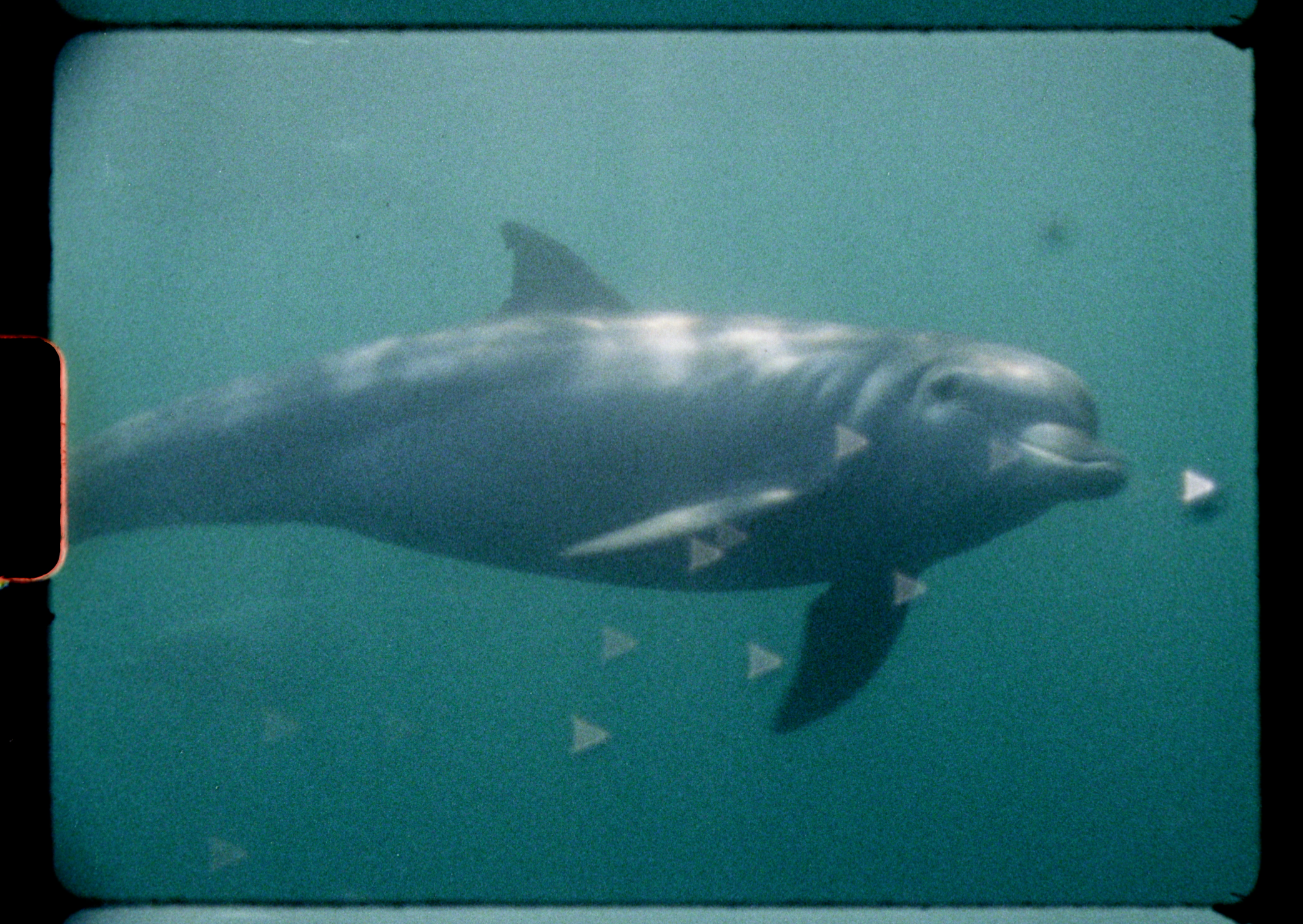
I’d not thought of it that way but you’re right. Everyone loves impressionist paintings, while photorealistic paintings are pretty much the worst form of art.
Yeah, you can admire the skill, but you don’t necessarily engage with the painting. I’ve thought about this a lot, and I’ve done a bit of research on it, and scientists say that when you see an imperfect image, your brain has to do more work. It’s almost like playtime for the brain.
Filling in the gaps?
Exactly. It’s interpolating. So instead of being presented with this perfectly crisp piece of information, it’s seeking. And that means our brain is engaging more. So I do think there’s something in us that means we enjoy an image that’s not perfect. And like you said, nature’s not perfect—it’s perfect in its imperfection. It’s wonky. It’s wonderful. No two trees are the same.
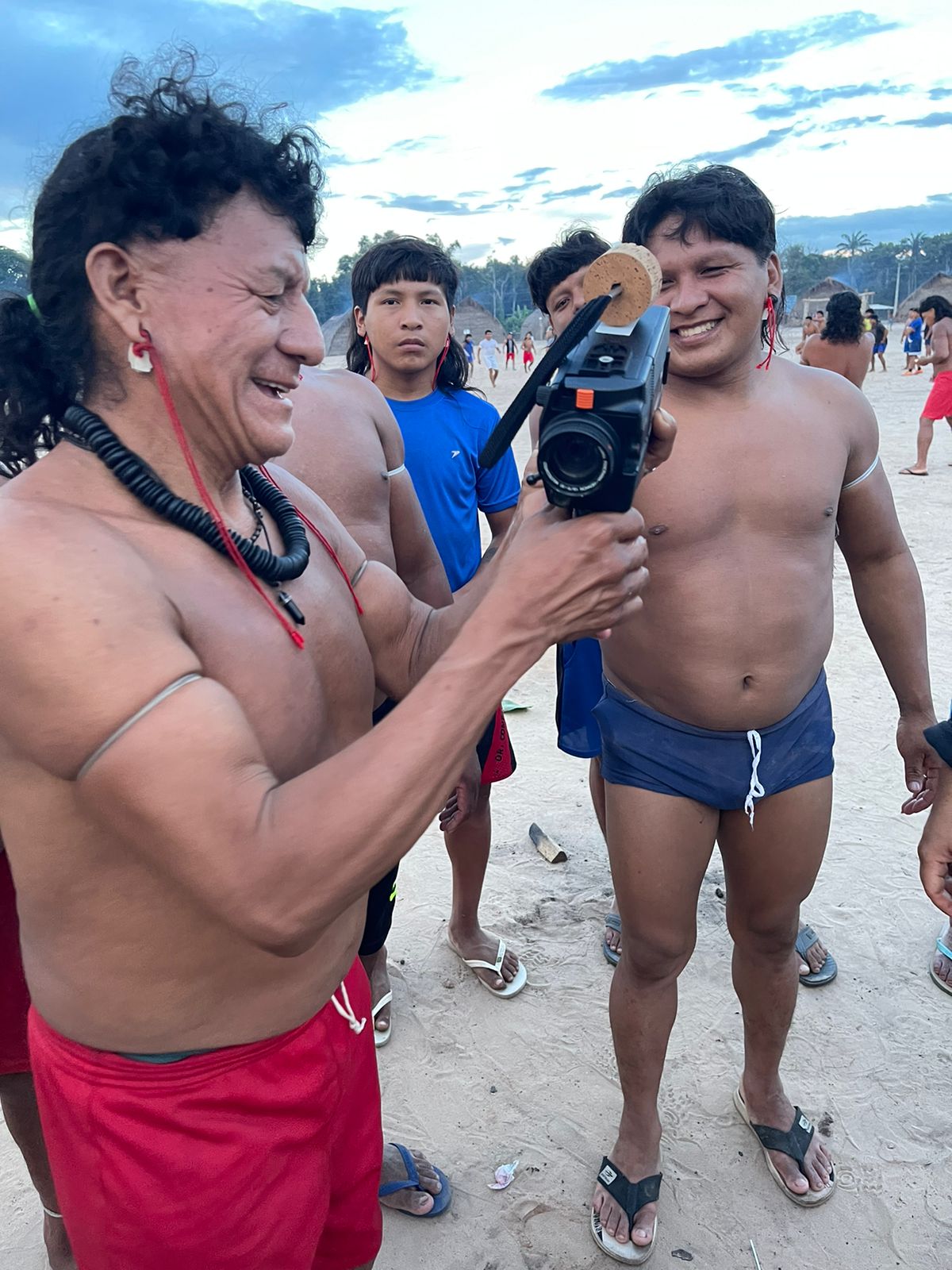
I don’t know how you worked on the film, and whether you gave the other film-makers a brief of anything, but did anything come back really surprise you? Was there anything in there you weren’t expecting?
The approach was very organic. The main thing I did was making sure that the people I was working with knew what kind of film we were making. I didn’t want them to be following some kind of blueprint. And you couldn’t have had a blueprint anyway.
The film-makers in South Africa wanted to go and film the humpback whales on the sardine run, so we sent Zandi two underwater cameras, and she went on a boat-trip with a film-maker she often works with—and neither of them had used Super 8 before. And we didn’t know what was going to happen. We might have had the occasional Whatsapp message at the end of the day saying how it went. And even when they shot something, they didn’t know what they’d got. So when the footage came back, it was always a surprise. I was seeing it before the film-makers who shot it, and there was something quite magical about that.
Sometimes we’d get whole rolls that were black. Or maybe the film had jammed in the camera. Or a whole roll would be out of focus. But then what was interesting was that some of those technically flawed things actually found their way into the film because they added an interesting layer of beauty.
The French film-maker who filmed the deadly floods in the Riviera in 2020, she felt guilty about having the footage, but when we spoke about the kind of film we were making, she agreed to use it. She went back to the beach where she filmed the flood with a new roll of film, but something on her camera had gone wrong and it was all overexposed and bleached out. But it looked wonderful—it was so ghostly and weird—and it was really fitting.
I didn’t ever want to be doing things in the grade when we were finishing the film that weren’t true to what was on the film itself—we wouldn’t have fictitiously made her roll look ghostly—but it just happened to come back from the lab that way.
When Super 8 film runs out there’s this amazing effect where there’s a few flashes and these watermarks. And when the reels came back from the northern white rhino shoot, there was an amazing shot which became one of the most emotive moments in the film—when this rhino’s keeper is leaning against the rhino and they’re having this siesta together, and during the shot the film runs out—and it runs out in a really elaborate way—until it’s gone. And even just seeing it cold when I first watched it, I knew it was such a moment. This is potentially the last northern white rhino in the world, and the fact that the film ran out right there almost feels spiritual—like there was something helping that happen. And we wouldn’t have done that in After Effects.
I suppose it dictates things for you, rather than the other way round.
Yeah—you’ve got to pay attention to what you’re being shown. And that’s something you can do in nature too. It’s what trackers in Africa do. They’re hyper-aware in nature. There’s a lot to watch and learn from in nature.
I know the film is pretty wide-ranging, but was there anything specific you wanted people to take away from watching it?
I hope what people take away is similar to what I learned through the journey of making the film—and that there’s so much we can do for nature, if we want to do it. And the great news is that it makes us feel better. Instead of worrying about how big the problems are and what we can’t do.
We had to have a new fence put in recently in our garden, so today I’m going to put a hole in there for frogs and hedgehogs to get through. And that might sound trivial and silly, but even just talking about doing something like that makes you more aware that we’re sharing the planet with these other organisms, and we’re just another one. That’s what I want people to take away from the film… we’re just another species.
Good answer. Okay, last question. How many reels of Super 8 went into this?
I’m not sure exactly, but it’s well into the hundreds…
Super Nature is out now courtesy of BFI Distribution. Find out more info here.